
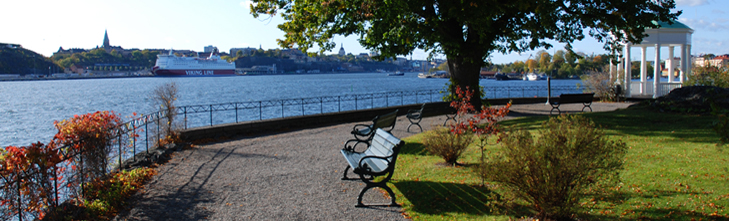


Hagaparken
The "Hagaparken" is a royal landscaped garden in the suburb of Solna. The "Haga Park" was created by "King Gustav III" at Brunnsviken Lake between 1780 and 1797. Gustav III died in 1792, so that the park was completed by his successors. The architect Fredrik Magnus Piper designed the English Landscape Garden and the buildings. The "Koppartälten" are the main attraction of the park.
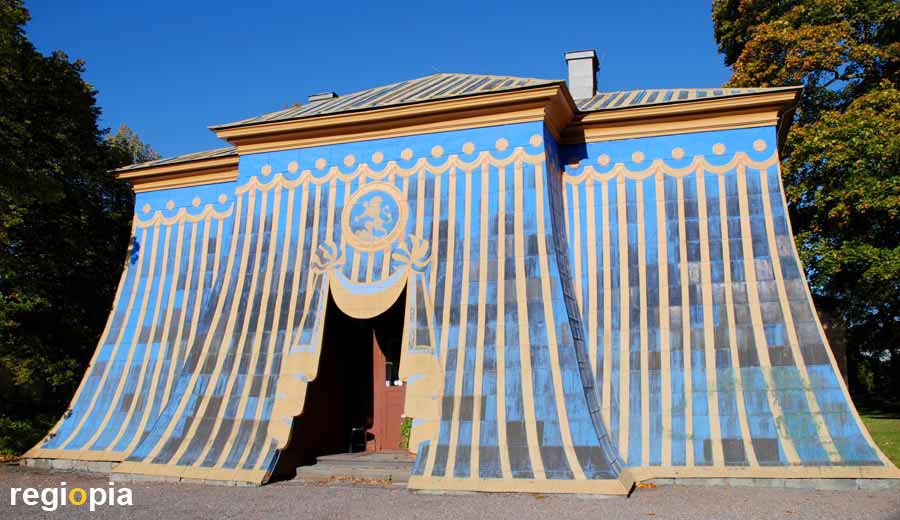
Koppartälten
The "Koppartälten" was built in 1787 under the rule of Gustav III in the "Hagapark". The painted copper tents recall a military camp and served as a guard house for the bodyguard.

Humlegarden
The green oasis in the fancy borough of "Östermalm" was the royal vegetable garden of King Johann III (1537-1592) . Hops (Swedish "Humle") was cultivated here, which gave the garden its name. In 1878 the royal library was built in the "Humlegarden".
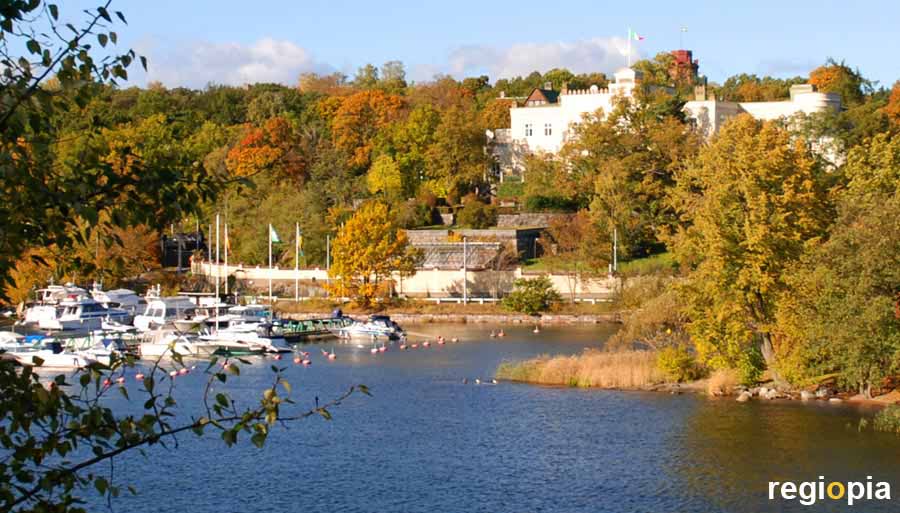
Djurgarden
On the green island of "Djurgarden" there is the "Vasa Museet" and the "Nordiska Museet". On the island ther is also the amusement park of "Gröna Lund" and the open-air museum of "Skansen". The island east of the city center is actually called "Valdemarsön". It was once a royal hunting treasure (deer = Djur) and so the name "Djurgarden" (Deer-Garden) evolved.
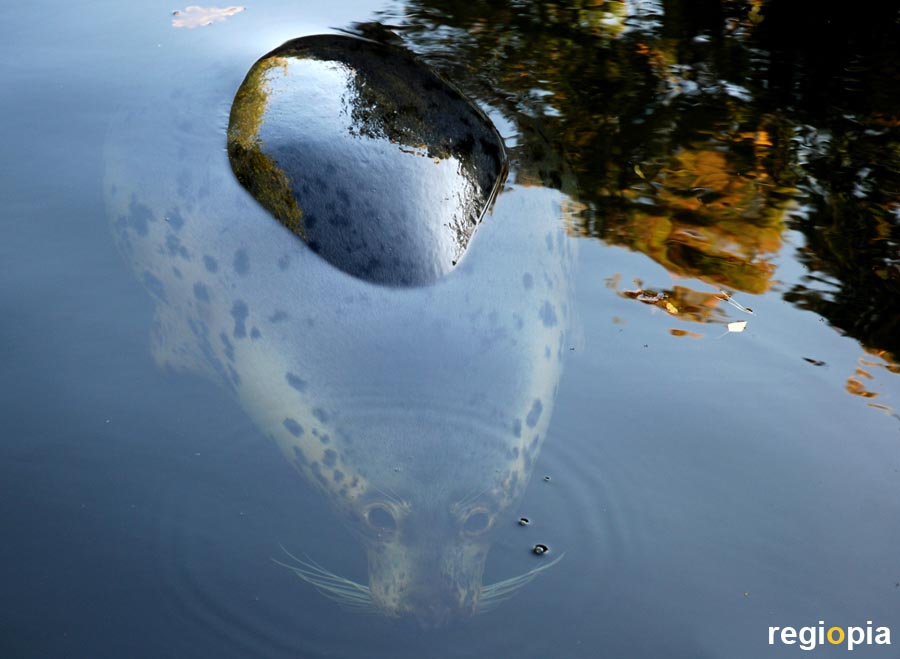
Skansen Zoo
Within the open-air museum of "Skansen" at Djurgarden, there is a small deer park next to historical buildings. You can encounter Nordic animals, such as elks, bears and seals.
Kungsträdgarden
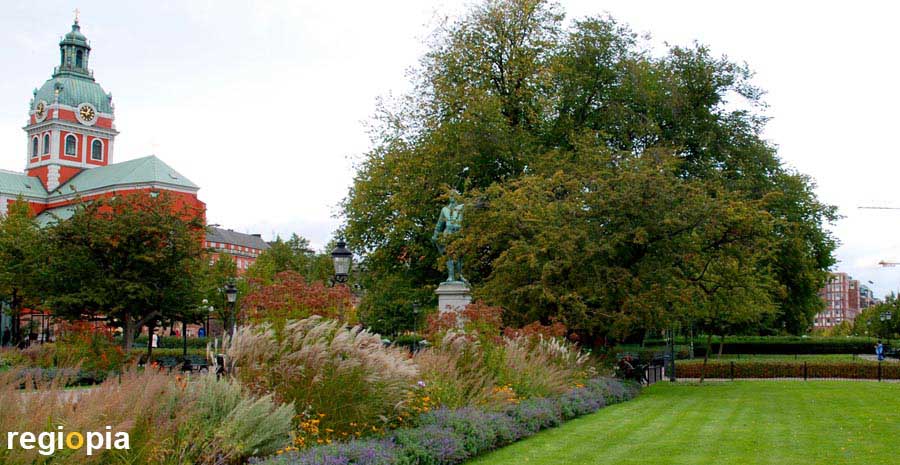
The "Kungsträdgarden" (King's Garden) was built in 1625 together with the castle Makalös. King Gustav III opened the garden to the public. The castle Makalös was destroyed in 1825 by a fire. In the northern part of the garden is a pool, with a fountain in the middle, in the southern part there is a garden with beautiful flowers.
Schärengarten
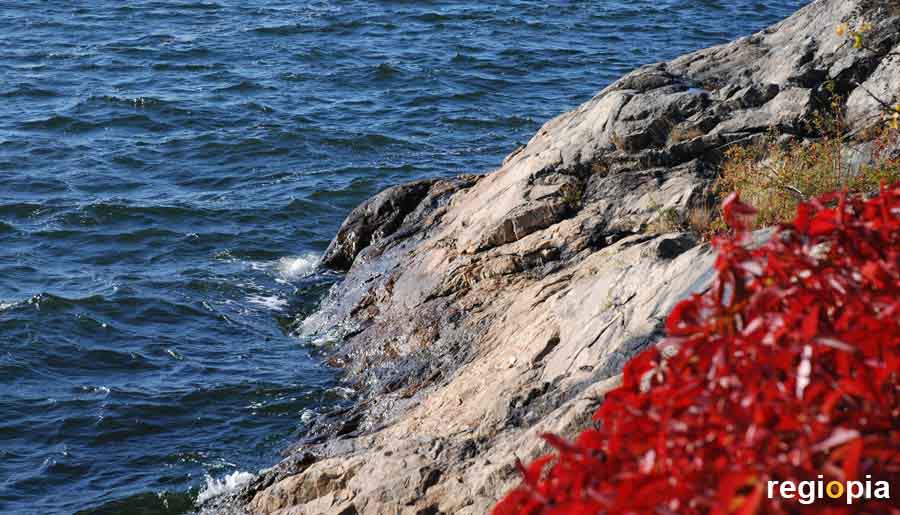
Between Stockholm and the Baltic Sea is the "skerries" in Swedish "Skärgarden". The archipelago is a labyrinth of about 24,000 small islands. The "archipelago" are rock islands, which were sanded around by the ice age.
Map Nature Stockholm
ads
Travel Guide Stockholm
ads